Best Time to Visit Uganda for Gorilla Trekking
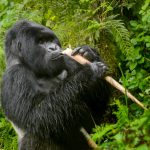
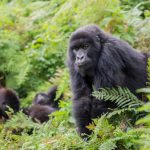
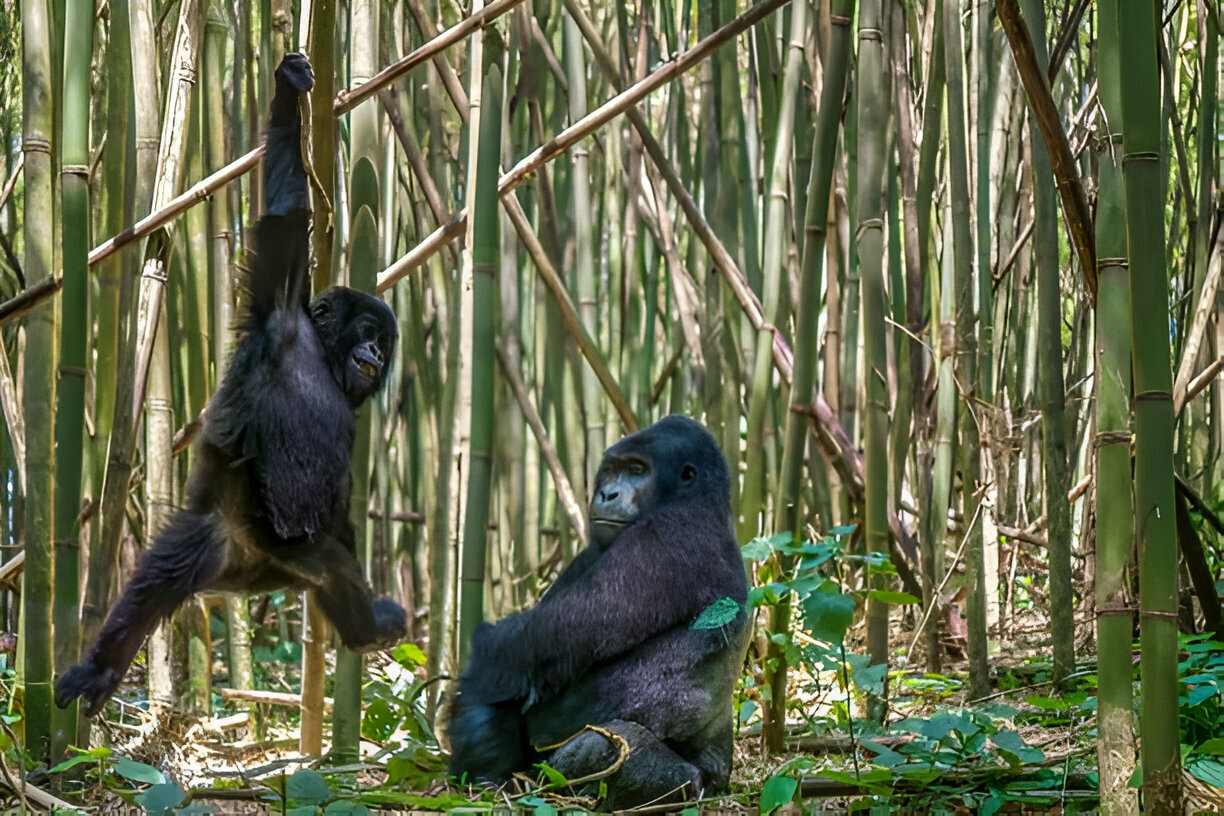
Uganda is one of the world’s top destinations for mountain gorilla trekking, offering unforgettable encounters with endangered mountain gorillas in their natural rainforest habitat. Every year, thousands of travelers visit Uganda to experience one of Africa’s most extraordinary wildlife adventures.
One of the most common questions travelers ask is:
Which month is best for gorilla trekking in Uganda?
The simple answer is:
The best months for gorilla trekking in Uganda are:
- June to September
- December to February
These are Uganda’s dry seasons and are considered ideal for trekking conditions, wildlife viewing, and photography.
However, gorilla trekking is available all year round, and every season has unique advantages.
Why the Dry Season Is Best for Gorilla Trekking
During the dry months, Uganda experiences:
- Less rainfall
- Drier forest trails
- Easier hiking conditions
- Better visibility for photography
- More comfortable trekking experiences
This makes gorilla trekking more enjoyable, especially for first-time travelers.
Best Months for Gorilla Trekking in Uganda
June to September – Peak Gorilla Trekking Season
This is the most popular time for gorilla trekking in Uganda.
Why It’s the Best:
- Dry forest trails
- Easier hiking conditions
- Clear photography opportunities
- Comfortable weather
- Excellent wildlife viewing
Many travelers combine gorilla trekking with:
- Wildlife safaris
- Chimpanzee tracking
- Bird watching tours
Because this is peak season, gorilla permits and accommodations often sell out early.
Important Tip:
Book your gorilla permits at least 4–6 months in advance.
December to February – Another Excellent Gorilla Trekking Season
This is another dry period and one of the best times to visit Uganda.
Advantages:
- Comfortable trekking weather
- Less muddy trails
- Great photography conditions
- Ideal for holiday travelers
This season is especially popular for:
- Christmas and New Year safaris
- Luxury gorilla trekking tours
- Honeymoon safaris
Gorilla Trekking During the Rainy Season
Uganda also has two rainy seasons:
- March to May
- October to November
Although these months are wetter, gorilla trekking still takes place daily.
Advantages of Rainy Season Gorilla Trekking
Fewer Tourists
The parks are less crowded, offering quieter trekking experiences.
Better Permit Availability
It is easier to secure gorilla permits and accommodation.
Beautiful Green Landscapes
The rainforest becomes lush and vibrant, perfect for scenic photography.
Potential Safari Discounts
Some lodges offer discounted accommodation rates during low season.
Challenges of Rainy Season Trekking
Travelers should expect:
- Muddy and slippery forest trails
- Heavier rainfall
- More challenging hikes
- Wet conditions during trekking
However, experienced guides and porters help make the experience manageable and rewarding.
Where Gorilla Trekking Takes Place in Uganda
Uganda has two gorilla trekking destinations:
Bwindi Impenetrable National Park
Bwindi is Uganda’s most famous gorilla trekking destination and home to nearly half of the world’s remaining mountain gorillas.
Why Travelers Love Bwindi:
- Multiple gorilla families
- Gorilla habituation experiences
- Scenic rainforest landscapes
- Diverse accommodation options
Bwindi is divided into four trekking sectors:
- Buhoma
- Ruhija
- Rushaga
- Nkuringo
Mgahinga Gorilla National Park
Mgahinga offers:
- Less crowded trekking experiences
- Scenic volcano views
- Golden monkey tracking
- Unique cultural experiences
Perfect for travelers seeking quieter and more scenic adventures.
Gorilla Habituation – Best Time to Visit
Uganda also offers Gorilla Habituation Experiences, where travelers spend:
- Up to 4 hours with mountain gorillas
This exclusive activity is available only in Bwindi Impenetrable National Park.
The best months for gorilla habituation are also:
- June to September
- December to February
These months provide easier trekking conditions for longer forest hikes.
Gorilla Trekking Permit Costs in Uganda
Current Uganda gorilla permit prices are approximately:
- $800 per person for foreign non-residents
Gorilla habituation permits cost approximately:
- $1,500 per person
Permits should always be booked in advance during peak seasons.
What to Expect During Gorilla Trekking
A typical trekking experience includes:
- Early morning briefing
- Guided forest hike
- Tracking gorilla families
- One hour with the gorillas
- Photography opportunities
- Cultural and nature experiences
Trekking duration varies depending on gorilla movements.
What to Pack for Gorilla Trekking
Recommended items include:
- Waterproof hiking boots
- Rain jacket
- Long-sleeved shirts and trousers
- Gardening gloves
- Camera
- Drinking water
- Energy snacks
- Insect repellent
Packing properly improves comfort during trekking.
How Difficult Is Gorilla Trekking?
Gorilla trekking can range from easy to challenging depending on:
- Gorilla family location
- Weather conditions
- Trekking sector
- Personal fitness level
Travelers can request:
- Easier trekking groups
- Porters for assistance
- Sedan chair services (in some sectors)
Most travelers successfully complete the trek.
Why Uganda Is One of the Best Gorilla Trekking Destinations
Uganda offers:
- Affordable gorilla permits compared to Rwanda
- More gorilla families
- Diverse safari experiences
- Beautiful landscapes
- Authentic and less crowded experiences
Travelers can combine gorilla trekking with:
- Wildlife safaris
- Chimpanzee tracking
- Cultural experiences
- Bird watching
Why Book with Openbill Safaris Uganda?
Openbill Safaris Uganda specializes in:
- Gorilla trekking safaris
- Gorilla habituation experiences
- Wildlife and Big Five safaris
- Luxury and budget gorilla tours
- Rwanda-Uganda combined safaris
- Self-drive and driver-guided safaris
We provide:
- Gorilla permit assistance
- Professional safari guides
- Reliable 4×4 safari vehicles
- Customized safari itineraries
- Excellent customer service
- Affordable safari packages
Through Openvision Foundation Uganda, we also support conservation and community empowerment through sustainable tourism initiatives.